Maritime Technology Shaping Ship Management
Nov 26, 2025
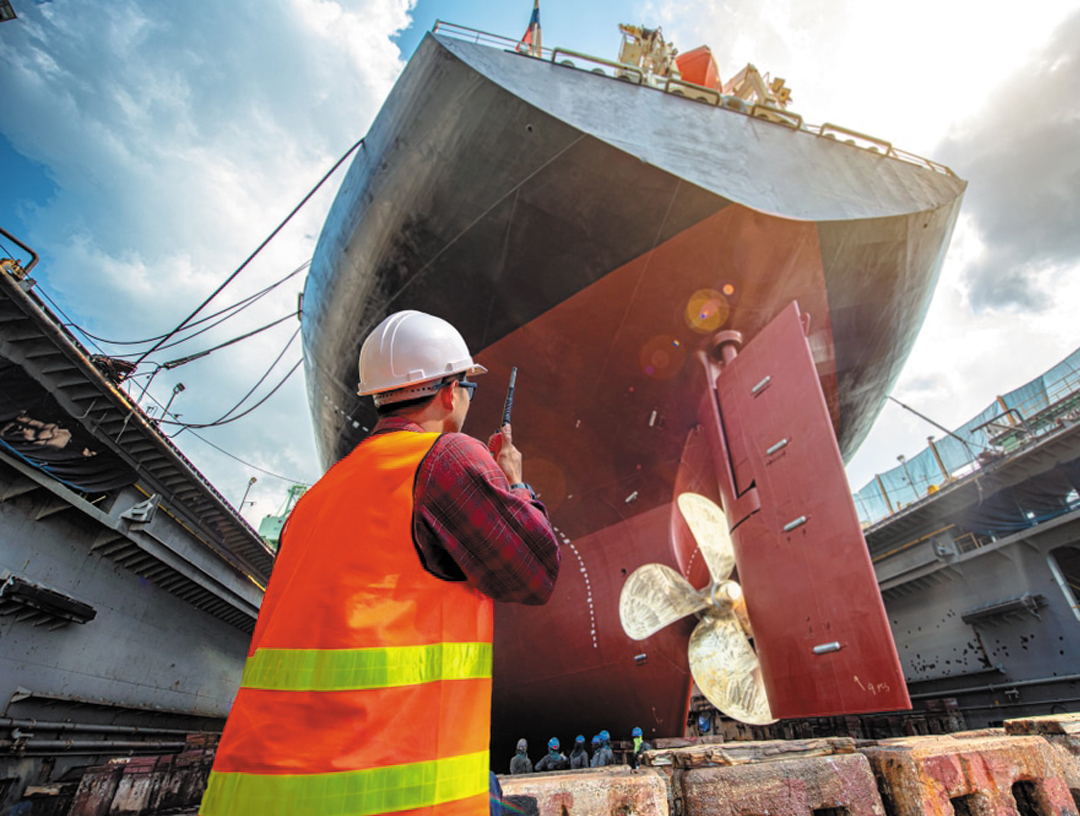
Maritime safety standards are essential for protecting crew, cargo, and the environment. Shipowners must comply with international regulations to ensure safe and efficient vessel operations.
The International Safety Management (ISM) Code sets procedures for safe ship operations and pollution prevention. The International Ship and Port Facility Security (ISPS) Code ensures security measures against threats. The Maritime Labour Convention (MLC) guarantees crew welfare, working conditions, and rights. Compliance with these standards minimizes accidents, legal penalties, and reputational risks for shipowners.
Shipowners should conduct regular audits, inspections, and crew training programs to adhere to safety standards. Advanced monitoring systems, proper maintenance, and emergency preparedness are crucial to maintaining compliance and ensuring operational excellence.
Following international safety standards reduces accidents, enhances crew welfare, protects cargo, and safeguards the environment. It also builds trust with clients, regulators, and insurers, ensuring sustainable and profitable maritime operations.
For every shipowner, understanding and implementing maritime safety standards is non-negotiable. Compliance not only protects lives and assets but also strengthens operational efficiency, reputation, and long-term success.
We do not appoint or operate through any agents or sub-agents. We do not charge or collect any fees, commissions, or service charges for providing employment to seafarers, and no costs or charges are borne, directly or indirectly, in whole or in part, by the seafarers. If you come across any employee involved in such practices, please report the matter by emailing hr@souliteshipmanagement.com