Author: admin

  • Maritime Safety Standards Every Shipowner Should Know

    Maritime Safety Standards Every Shipowner Should Know

    Introduction

    Maritime safety standards are essential for protecting crew, cargo, and the environment. Shipowners must comply with international regulations to ensure safe and efficient vessel operations.

    Key International Safety Standards

    The International Safety Management (ISM) Code sets procedures for safe ship operations and pollution prevention. The International Ship and Port Facility Security (ISPS) Code ensures security measures against threats. The Maritime Labour Convention (MLC) guarantees crew welfare, working conditions, and rights. Compliance with these standards minimizes accidents, legal penalties, and reputational risks for shipowners.

    Implementation and Compliance

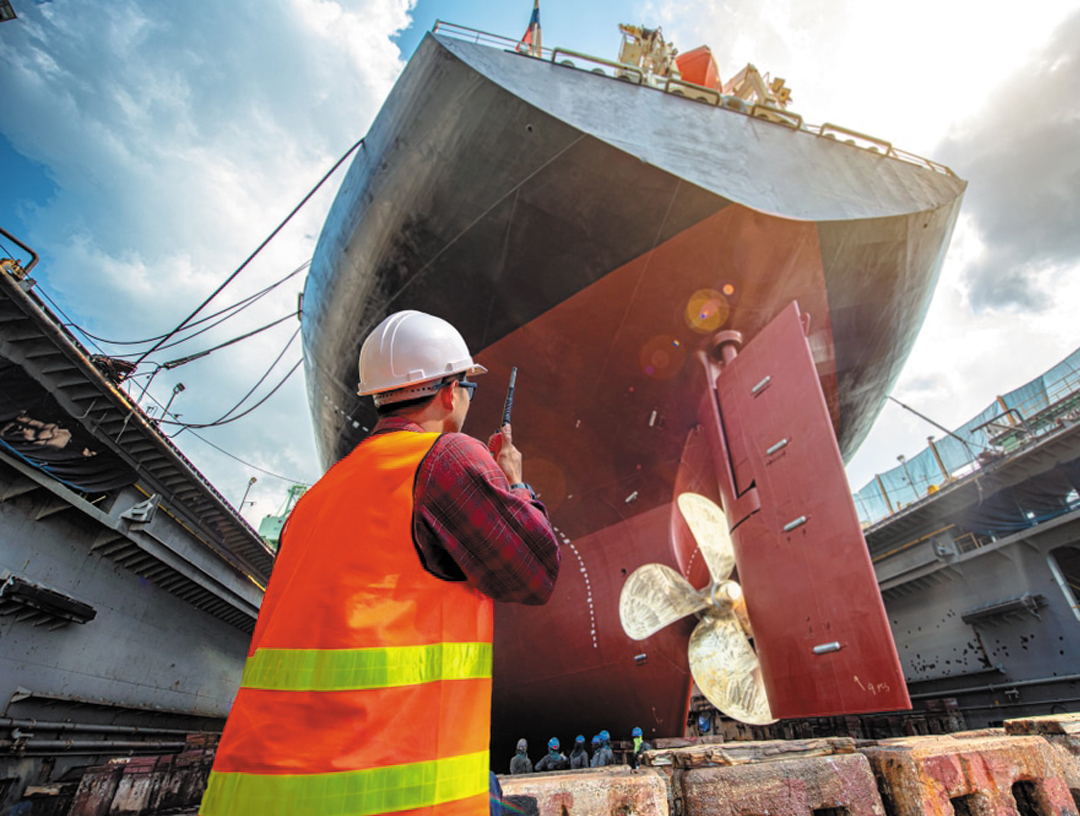
    Shipowners should conduct regular audits, inspections, and crew training programs to adhere to safety standards. Advanced monitoring systems, proper maintenance, and emergency preparedness are crucial to maintaining compliance and ensuring operational excellence.

    Benefits of Adhering to Safety Standards

    Following international safety standards reduces accidents, enhances crew welfare, protects cargo, and safeguards the environment. It also builds trust with clients, regulators, and insurers, ensuring sustainable and profitable maritime operations.

    Conclusion

    For every shipowner, understanding and implementing maritime safety standards is non-negotiable. Compliance not only protects lives and assets but also strengthens operational efficiency, reputation, and long-term success.
  • Maritime Technology Shaping Ship Management

    Maritime Technology Shaping Ship Management

    Introduction

    The maritime industry is undergoing a technological revolution. Ship management is evolving rapidly with innovations that improve safety, efficiency, and sustainability across global shipping operations.

    Digital Ship Management Systems

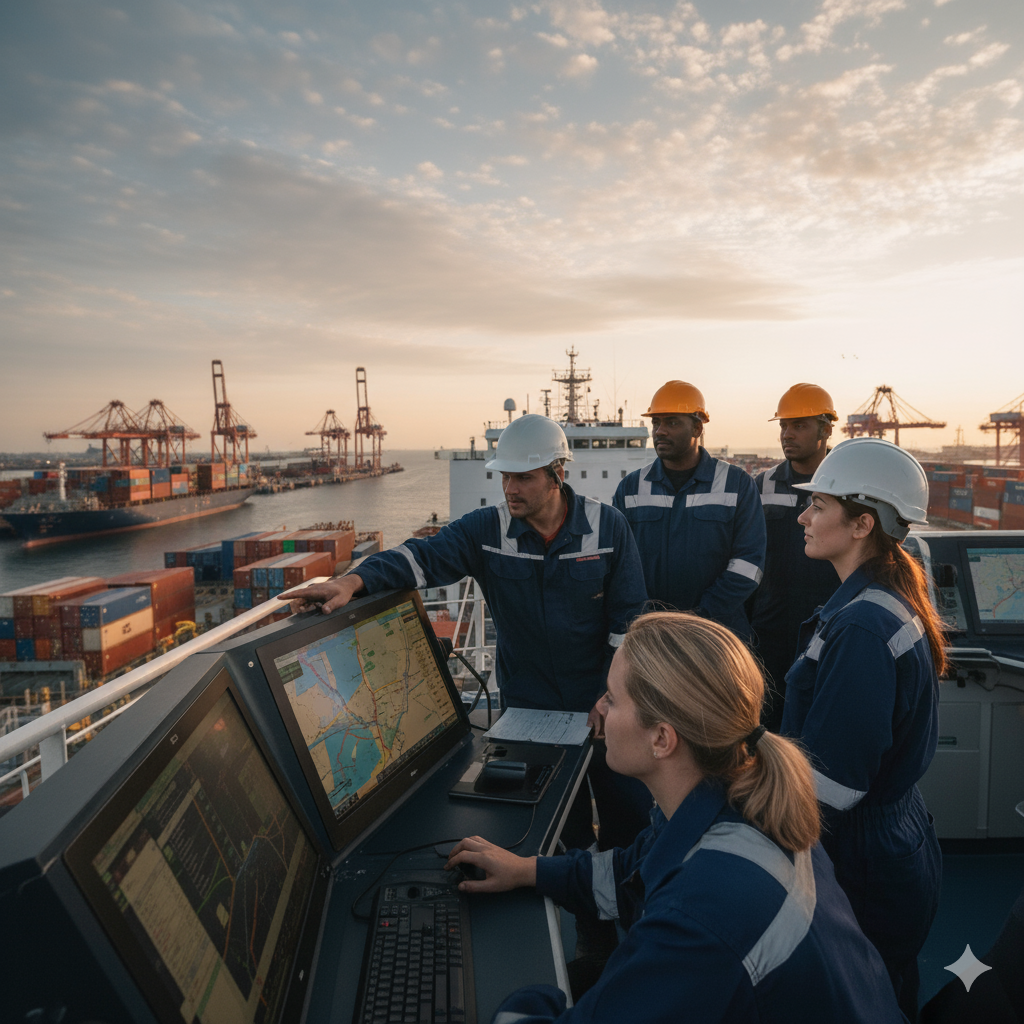
    Integrated digital platforms now allow real-time monitoring of vessel performance, fuel consumption, and maintenance schedules. This reduces downtime, optimizes operational efficiency, and ensures timely decision-making for ship owners and managers.

    Automation and Smart Shipping

    Automation in navigation, cargo handling, and engine monitoring enhances operational precision. Smart sensors, IoT devices, and predictive maintenance tools help anticipate equipment failures, improving safety and reducing costs.

    Data Analytics and AI

    Advanced analytics and AI applications enable fleet managers to optimize routes, forecast maintenance needs, and analyze market trends. These technologies empower informed, data-driven decisions, enhancing commercial performance and compliance.

    Sustainability and Green Shipping

    Emerging technologies also support sustainable practices, including emission tracking, energy-efficient propulsion, and alternative fuels. Green ship management not only meets regulatory requirements but also aligns with global environmental goals.

    Conclusion

    Technology is reshaping ship management, making operations safer, smarter, and more sustainable. Shipping companies that embrace innovation gain a competitive edge while ensuring efficient, reliable, and compliant fleet operations.

  • Why Crew Competence Is the Key to Safe Shipping

    Why Crew Competence Is the Key to Safe Shipping

    Introduction

    In the modern maritime industry, crew competence is one of the most critical factors for safe and efficient ship operations. Ships today rely on advanced technology, complex machinery, and strict regulatory standards. Without a skilled and knowledgeable crew, even the most technologically equipped vessel can face operational risks and safety challenges.

    The Role of Competent Crew Members

    Competent crew members are not just operators—they are problem-solvers, decision-makers, and risk managers. From navigation to engine room operations, each crew member plays a crucial role in ensuring the vessel operates smoothly. Understanding safety protocols, emergency procedures, and maritime regulations allows the crew to respond effectively during critical situations, minimizing potential hazards.

    Impact on Safety and Risk Management

    A highly trained crew significantly reduces accidents, machinery failures, and environmental incidents such as oil spills or cargo damage. Safety culture on board depends heavily on crew knowledge and professionalism. Competence ensures that preventive measures are implemented consistently, and emergency responses are executed efficiently.

    Training and Continuous Development

    Continuous learning and competency-based training are essential. Structured programs, drills, certifications, and performance assessments ensure that crew members stay updated with the latest industry practices and regulatory requirements. Investing in crew development is an investment in operational safety and reliability.

    Conclusion

    Crew competence is more than a regulatory requirement; it is the foundation of safe, efficient, and successful maritime operations. Shipping companies that prioritize crew skills, training, and professional development can navigate global waters confidently while safeguarding people, cargo, and the environment.